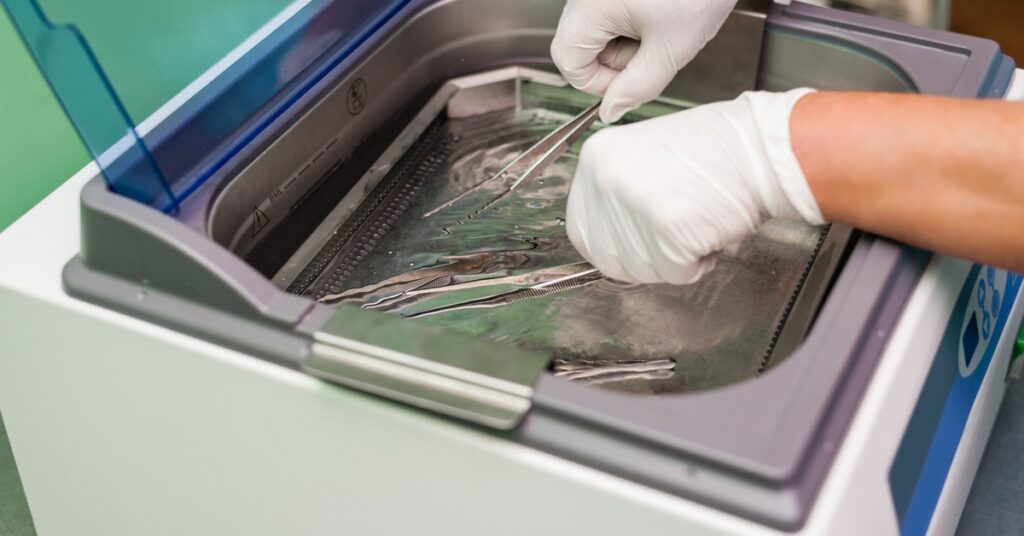
Because medical device validation is so important, there are many fundamental components that influence design, testing, and instructions for use. Water quality standards are among these strict components. The Association for the Advancement of Medical Instrumentation (AAMI) standard ST108 addresses water quality by providing comprehensive guidelines for water quality in healthcare facilities and subsequently, medical device validation and sterilization processes.
This standard doesn’t just recommend best practices—it establishes the foundation for reliable, repeatable validation outcomes that regulatory bodies expect and patients deserve. Learn more about why medical device validation services need AAMI ST108 with this comprehensive overview.
Introduction to AAMI ST108 Standard
AAMI ST108 specifically addresses water quality requirements for the processing of medical devices. Paying strict attention to types of water used, emphasizing ongoing water quality monitoring, and collaborating across different water quality management roles help ensure the sterilization methods proven by validation processes remain effective in real-world settings. Furthermore, AAMI ST108 recognizes that water quality directly impacts sterilization effectiveness, making it a critical component of any comprehensive device reprocessing or validation protocol.
The standard emerged from industry recognition that inconsistent water quality was creating validation variability that couldn’t be attributed to device design or manufacturing processes. Validation teams were encountering unexplained variations in sterilization effectiveness, contamination issues, and equipment performance problems that traced back to inadequate water quality controls.
AAMI ST108 provides specific requirements for water purity levels, treatment methods, and ongoing monitoring procedures. The standard doesn’t simply recommend general water quality improvements—it establishes measurable criteria that validation teams can implement and verify consistently. This specificity makes AAMI ST108 particularly valuable for validation services that need to demonstrate compliance with regulatory requirements while maintaining operational efficiency.
Importance of AAMI ST108 in Validation Process
The validation process relies heavily on consistent, repeatable conditions to generate meaningful results. When water quality varies between validation runs, it becomes impossible to determine whether observed differences result from device characteristics or environmental factors. Medical device validation services need AAMI ST108 because it eliminates this uncertainty by establishing standardized water quality requirements that ensure validation consistency.
Regulatory bodies increasingly expect validation protocols to address all factors that could influence device performance, including water quality used in sterilization processes. AAMI ST108 compliance demonstrates that validation services understand and control these factors, providing regulators with confidence that validation results accurately reflect device capabilities.
The standard also addresses cost considerations that matter to validation services and their clients. Inconsistent water quality can lead to validation failures that require expensive retesting, delayed product launches, and additional regulatory submissions. By implementing AAMI ST108 requirements from the beginning, validation services can avoid these costly complications while delivering more reliable results to their clients.
The Importance of Water Quality
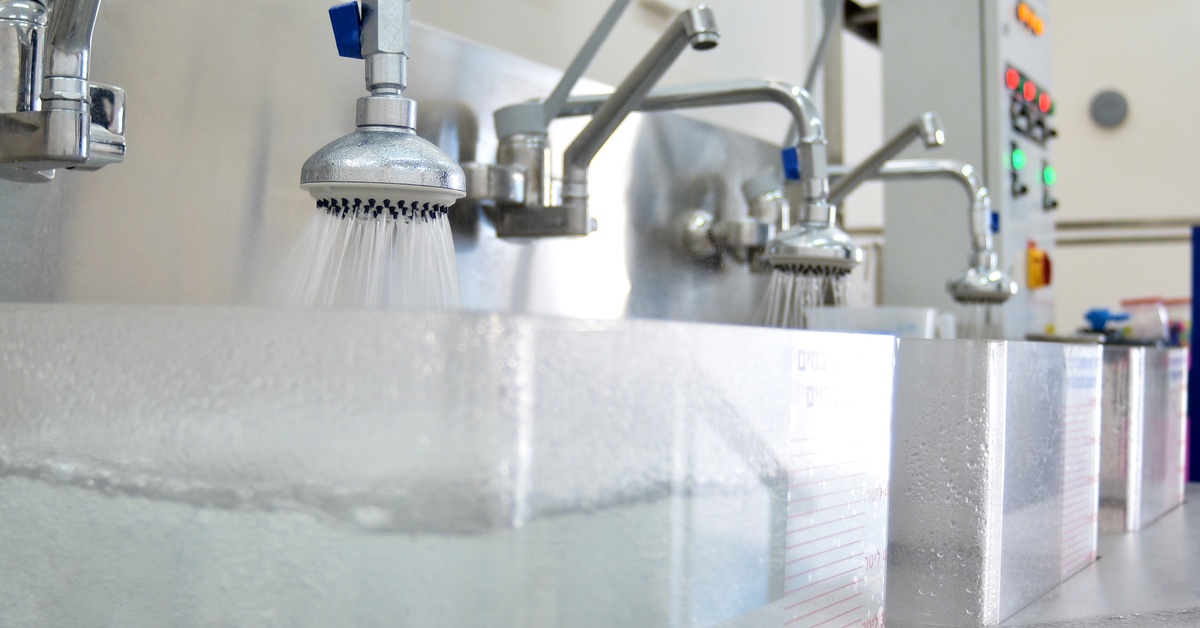
The relationship between water quality categories and device sterilization creates direct implications for validation effectiveness. Sterilization processes depend on predictable water characteristics to achieve intended effectiveness levels, while cleaning procedures require specific water purity to avoid introducing contaminants that could mask or create validation issues.
Validation laboratories perform validation under worst case conditions which can include studies using substandard water quality. Devices validated using substandard water quality can meet performance requirements during testing but fail when exposed to different water conditions in clinical settings. This real-world performance represents exactly the type of failure that AAMI ST108 helps prevent.
AAMI ST108 recognizes three distinct categories of water quality, each suited to different applications within the validation process.
Utility Water
Utility water represents the baseline quality level, suitable for general cleaning and preparation activities that don’t directly contact devices during critical validation steps.
This water category requires basic treatment to remove gross contaminants and establish consistent chemical characteristics, but doesn’t demand the rigorous purity levels needed for sterilization processes. As such, it is also not intended for direct contact with patients or direct sterilization processes.
Critical Water
Critical water meets the highest level of purity standards, making it appropriate for direct contact with devices during validation procedures. Healthcare professionals use critical water in the final rinsing stages of medical device sterilization processes.
This water category requires advanced treatment to remove chemical contaminants, biological materials, and particulates that could interfere with validation outcomes. Critical water systems also demand ongoing monitoring to ensure that purity levels remain consistent over time.
Steam
Steam requires not only exceptional purity but also specific chemical characteristics that support effective sterilization. Steam quality affects heat transfer efficiency, contact time effectiveness, and the absence of non-condensable gases that could compromise sterilization outcomes. The water used to generate this steam must meet stringent chemical and biological purity requirements while maintaining consistency across multiple sterilization cycles.
Water Quality Selection
AAMI ST108 establishes general requirements for selecting appropriate water quality levels based on specific validation applications and device characteristics. The standard recognizes that different validation procedures require different water quality levels and provides criteria for making these selections systematically rather than arbitrarily.
Purity Levels
Purity levels form the foundation of water quality selection, with AAMI ST108 specifying measurable criteria for chemical contaminants, biological materials, and particulate matter. These specifications aren’t arbitrary numbers—they reflect the levels needed to ensure that water quality doesn’t interfere with validation procedures or introduce variables that could compromise results.
Treatment and Monitoring
Treatment requirements outlined in AAMI ST108 address both initial water preparation and ongoing maintenance procedures. The standard recognizes that water quality can degrade over time, particularly in storage and distribution systems, making ongoing treatment and monitoring essential for maintaining validation integrity. Treatment requirements cover filtration, chemical treatment, biological control, and system maintenance procedures that keep water quality within specified parameters.
Monitoring procedures represent a critical component of water quality selection, ensuring that chosen water quality levels remain consistent throughout validation procedures. AAMI ST108 specifies monitoring frequencies, testing methods, and documentation requirements that provide objective evidence of water quality compliance. This monitoring creates the documentation trail that regulatory bodies expect while giving validation teams confidence that their environmental conditions remain controlled.
Regulatory Compliance
Regulatory compliance considerations influence water quality selection decisions, as validation results must satisfy federal, state, and local regulatory requirements for device approval and ongoing compliance. AAMI ST108 alignment with regulatory expectations means that validation services following the standard can demonstrate due diligence in controlling factors that affect validation outcomes. This regulatory alignment reduces the risk of validation rejection due to inadequate environmental controls.
Best Practices for AAMI ST108 Compliance

Implementing AAMI ST108 compliance requires systematic attention to both technical requirements and ongoing operational procedures. Successful compliance starts with understanding the specific water quality needs of different validation procedures and selecting appropriate quality levels for each application.
Documentation practices play a crucial role in demonstrating AAMI ST108 compliance in healthcare facilities, as regulatory bodies expect objective evidence that water quality requirements have been met consistently. Effective documentation systems capture not only water quality test results but also the procedures used to maintain quality levels and responses to any deviations from specified parameters.
Training requirements ensure that all personnel involved in validation procedures understand water quality requirements and their role in maintaining water quality. AAMI ST108 compliance isn’t achieved through equipment alone—it requires knowledgeable personnel who understand how their actions affect water quality and validation outcomes.
Ensuring Validation Success
Partnering with validation experts for medical device testing services ensures your devices meet all necessary standards and regulations on the way to market approval. Learn more about how Highpower delivers comprehensive testing for your manufacturing process when you reach out today.