
Bringing a medical device to market requires navigating a complex landscape of safety and quality standards. Patient safety depends on the rigorous validation of every piece of equipment, from simple surgical tools to complex diagnostic machines. Manufacturers must demonstrate that their devices perform safely and effectively, not just once but throughout their entire lifecycle. This process, known as medical device validation, involves a series of comprehensive tests to confirm that a device meets its intended use and complies with strict regulatory requirements.
Regulatory bodies like the U.S. Food and Drug Administration (FDA) and other global authorities mandate this validation. Their guidelines establish a framework for testing that covers everything from initial design to final packaging. For reusable medical devices, this validation is especially critical. These devices must withstand repeated cleaning, sterilization, and handling without degrading in performance or compromising patient safety. For manufacturers, understanding the stages of reprocessing validation for medical devices is fundamental to achieving regulatory approval and building trust within the healthcare community.
Stages of Medical Device Validation Testing
The validation process for reusable medical devices is multifaceted, involving several distinct stages to address different aspects of the device’s lifecycle. For reprocessing, each stage focuses on a specific reprocessing step, confirming its effectiveness and reliability. These stages are not just procedural hurdles; they are integral to protecting patients from healthcare-associated infections (HAIs) and other risks. A collaborative approach with experienced medical device testing labs can streamline these complex processes.
Cleaning Validation
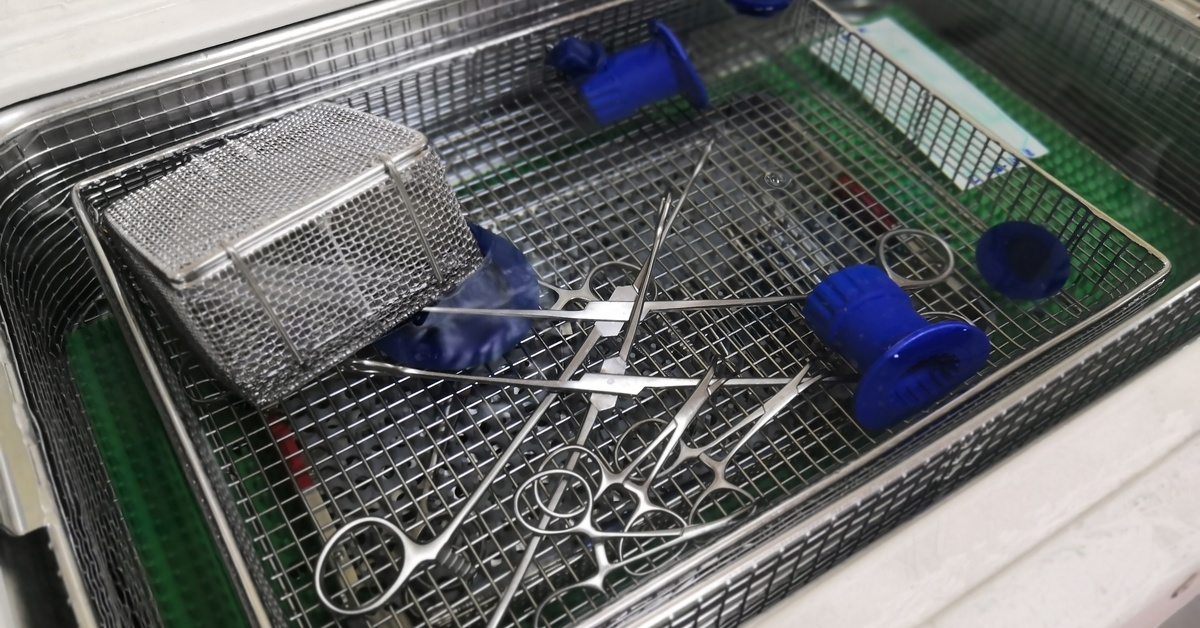
Before a reusable medical device can undergo sterilization, it must endure a thorough cleaning to remove all organic and inorganic soil. The cleaning validation stage verifies that the manufacturer’s recommended cleaning process effectively removes contaminants to a safe level. This process involves repetitive manual and mechanical cleaning cycles under controlled conditions.
Technicians perform these cleaning procedures and then analyze the device for any residual contamination. Common analytes measured include protein, total organic carbon (TOC), and hemoglobin. The goal is to demonstrate that the cleaning instructions are robust enough for healthcare facilities to replicate successfully. If a device cannot receive the proper cleaning, subsequent sterilization may be ineffective, posing a significant risk to the next patient. Therefore, this stage provides the foundational evidence that a device is ready for the next step in reprocessing.
Sterilization Validation
Once a device proves you can clean it effectively, the next stage is sterilization validation. This process confirms that the recommended sterilization method successfully eliminates all viable microorganisms. The choice of sterilization method depends on the materials and design of the device.
Common high-temperature sterilization methods include steam sterilization, often performed in an autoclave. For devices sensitive to heat and moisture, manufacturers turn to low-temperature processes. These include ethylene oxide (ETO) gas and hydrogen peroxide (H2O2) vapor sterilization. Each method requires a specific validation protocol. For example, validating a steam sterilization process involves testing the cycle’s ability to kill highly resistant bacterial spores placed in the most challenging locations on the device. For ETO and H2O2, validation also includes theassessment of the removal of residual sterilant to non-toxic levels. Successful completion of this stage demonstrates that the device can be rendered sterile and safe for patient use.
Packaging Validation
The final stage, packaging validation, confirms that the sterile barrier system maintains its integrity from sterilization through use. This process involves a series of tests to evaluate the packaging’s ability to protect the device from contamination during storage and transport.
Key components of packaging validation include shelf-life testing, which happens through accelerated aging or real-time studies. Accelerated aging simulates the effects of time under elevated temperature and under certain situations, humidity conditions, providing a faster way to estimate the package’s shelf life. Real-time testing, while slower, provides definitive data on how the packaging performs over its intended lifespan. Additional tests evaluate the physical properties of the packaging, such as seal strength and its resistance to punctures. Whole-package integrity tests, such as dye penetration or aerosol challenge, confirm that the sterile barrier remains intact. This validation gives healthcare providers confidence that a device remains sterile until the moment they need to use it for a patient.
Navigating Validation With Expert Support
The journey through medical device validation is intricate and demands deep regulatory knowledge and technical precision. HIGHPOWER Labs provides comprehensive, full-service support that guides manufacturers through each phase of device design, validation, and regulatory approval. With extensive experience working with the US FDA and other global regulatory bodies, our team has the expertise to navigate these complex requirements efficiently.
We understand that every medical device is unique, which is why we offer tailored and personalized validation services. As a dedicated life science laboratory, HIGHPOWER has the resources and flexibility to design testing protocols that meet the specific needs of your device. Our state-of-the-art facility can handle a wide range of validation tests, from repetitive cleaning processes to various sterilization efficacy studies and complete packaging validation. We focus on the highly regulated world of reusable medical devices, offering specialized services to support their safe reprocessing.

Upholding Health and Safety Standards
Thorough validation testing is not just a regulatory obligation; it is a fundamental commitment to the health and safety of patients and healthcare professionals. Each stage of the process plays a vital role in preventing infections and confirming that medical devices perform as expected. From cleaning and sterilization to packaging, every detail matters.
At HIGHPOWER Labs, we are committed to advancing the safer reprocessing of reusable medical devices. We collaborate with manufacturers and professional organizations to uphold the highest standards of quality and safety in the industry. By providing robust and reliable testing services, we help our clients bring safe and effective medical devices to the market, ultimately contributing to better patient outcomes and a safer healthcare environment for everyone. Partnering with a knowledgeable lab provides the support needed to navigate the validation process successfully and meet all regulatory expectations.
Ensuring the safety and efficacy of medical devices is a critical responsibility that requires meticulous attention to testing and validation processes. By collaborating with trusted laboratories and adhering to rigorous standards, manufacturers can confidently bring innovative, life-saving devices to market. Together, we can advance healthcare technologies while prioritizing patient safety and improving outcomes across the industry.