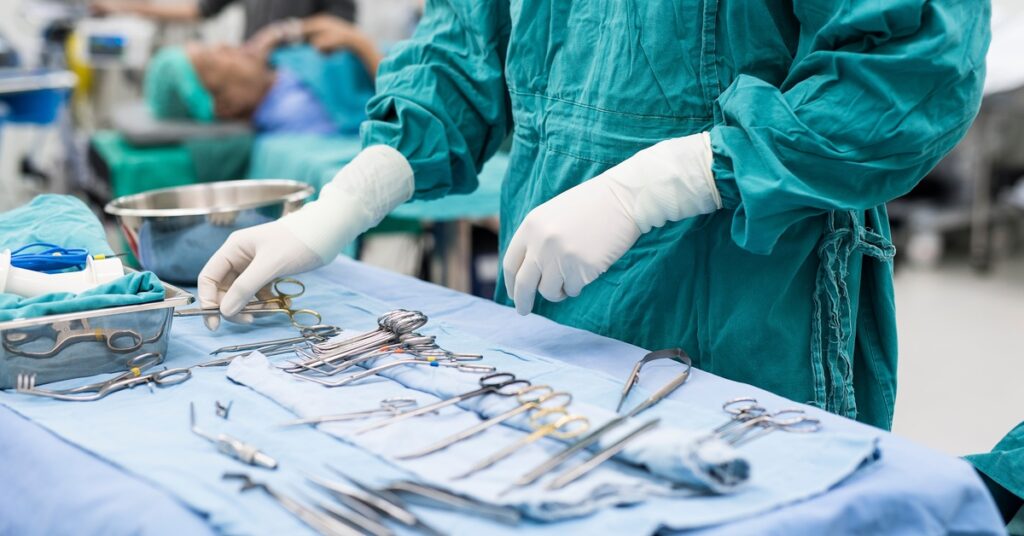
Medical device cleaning validation is a critical process that ensures reusable devices are consistently cleaned to a level that supports patient safety and regulatory compliance. As medical devices become more complex and healthcare regulations more stringent, cleaning validation has shifted from a best practice to an essential requirement. Understanding the fundamentals of medical device cleaning validation helps manufacturers, healthcare facilities, and quality professionals build reliable processes that withstand audits and protect patients.
Understanding Medical Device Cleaning Validation
Cleaning validation is the documented evidence that a cleaning process effectively removes contaminants from a medical device to predetermined and acceptable levels. These contaminants may include organic residues such as blood, proteins, and microorganisms, as well as inorganic residues like cleaning agents or endotoxins. The goal is to demonstrate that routine cleaning procedures consistently achieve cleanliness before disinfection or sterilization.
Unlike simple visual inspection, cleaning validation relies on scientific methods and measurable acceptance criteria. Visual cleanliness alone cannot detect microscopic residues that may interfere with sterilization or pose a risk to patients. Validation bridges that gap by providing objective proof that cleaning processes are effective and repeatable.
Why Cleaning Validation Is Critical for Patient Safety
Residual contamination on medical devices can lead to serious patient harm, including infections, toxic reactions, or compromised device performance. Devices used in invasive procedures or those that come into contact with sterile tissue carry particularly high risks. Cleaning validation ensures that residues are reduced to levels that do not threaten patient health or interfere with subsequent sterilization steps.
From a clinical perspective, validated cleaning processes support consistent outcomes across different users, shifts, and facilities. This consistency is especially important in busy healthcare environments where devices are reprocessed multiple times each day. A validated process reduces variability and helps ensure every patient receives care using devices that meet the same safety standards.
Regulatory Expectations and Standards
Regulatory bodies worldwide place strong emphasis on cleaning validation. In the United States, the FDA expects medical device manufacturers to validate cleaning processes as part of design controls and quality system regulations. Internationally, standards such as ISO 13485 and ISO 17664 outline requirements for reprocessing instructions and validation data.
Guidance documents from organizations like ASTM, AAMI and ISO provide frameworks for establishing acceptance criteria, selecting test soils, and choosing analytical methods. While specific requirements may vary by region, the underlying expectation is the same: manufacturers must demonstrate that their cleaning processes are effective, reproducible, and well-documented.
Defining the Cleaning Process
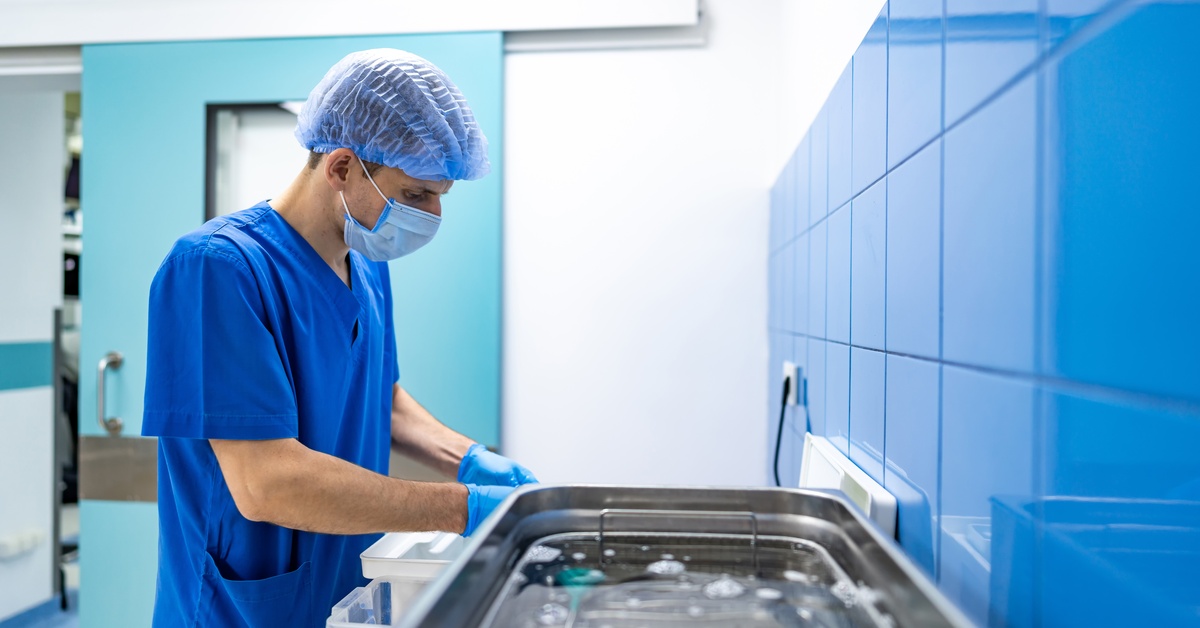
A successful cleaning validation begins with a clearly defined cleaning process. This includes identifying the cleaning agents, equipment, water quality, temperatures, and cycle parameters used during reprocessing. Each step must be documented in detail to ensure it can be consistently replicated during routine use.
The cleaning process should reflect real-world conditions, including worst-case scenarios. For example, devices may be tested with the longest allowable time between use and cleaning, maximum soil loads, or the most complex device configurations. Validating under these conditions provides confidence that the process will perform effectively under normal circumstances.
Identifying Worst-Case Scenarios
Worst-case analysis is a cornerstone of cleaning validation. Devices with narrow lumens, textured surfaces, hinges, or complex assemblies are often harder to clean and represent higher risk. Similarly, soils that dry onto devices or contain high levels of protein can be more challenging to remove.
By identifying and validating against worst-case conditions, manufacturers can justify that the cleaning process is robust enough for all intended uses. This approach also helps streamline validation efforts by focusing resources on the most challenging scenarios rather than testing every possible variation.
Selection of Test Soils and Markers
Test soils are used during validation to simulate clinical contamination. These soils are designed to mimic blood, tissue, and other organic materials encountered during device use. Standardized test soils are often preferred because they provide consistency and are widely accepted by regulators.
Analytes or Markers within these soils, such as proteins, hemoglobin, or total organic carbon, are measured after cleaning to assess residue levels. The choice of analyte depends on the device type, soil composition, and regulatory expectations. Using appropriate and justified analytes strengthens the scientific basis of the validation study.
Analytical Methods for Assessing Cleanliness
Analytical testing plays a central role in cleaning validation. Common methods include protein assays, total organic carbon analysis, hemoglobin testing, and endotoxin testing when applicable. These methods provide quantitative data that can be compared against predefined acceptance criteria.
Sampling techniques are equally important. Swabbing, rinsing, or extraction methods must be validated to ensure they effectively recover residues from device surfaces. Poor sampling can lead to inaccurate results, undermining the credibility of the validation. Consistency and reproducibility in sampling are essential for reliable outcomes.
Establishing Acceptance Criteria
Acceptance criteria define the maximum allowable levels of residual contamination. These limits are typically based on toxicological risk assessments, regulatory guidance, and industry standards. The criteria must be scientifically justified and appropriate for the device’s intended use.
Clear acceptance criteria provide an objective benchmark for evaluating cleaning effectiveness. They also support decision-making when results approach or exceed limits, enabling timely corrective actions. Well-defined criteria are a key focus during regulatory inspections and audits.
Documentation and Validation Reports
Comprehensive documentation is essential to a cleaning validation. Validation protocols outline the study design, methods, acceptance criteria, and responsibilities. Once testing is complete, validation reports summarize the results, deviations, and conclusions.
These documents serve as evidence that the cleaning process has been properly evaluated and approved. They also provide traceability for future audits, process changes, or investigations. Maintaining organized and up-to-date validation records is critical for long-term compliance.
Maintaining the Validated State
Cleaning validation is not a one-time activity. Changes to device design, materials, cleaning agents, or equipment can impact cleaning effectiveness and may require revalidation. Ongoing monitoring and periodic review help ensure the process remains in a reminder.
Training is another key component of maintaining the validated state. Personnel responsible for cleaning and reprocessing must understand and follow validated procedures exactly as written. Consistent execution supports reliable outcomes and protects the integrity of the validation.
Common Challenges in Cleaning Validation
Medical device cleaning validation can be complex and resource-intensive. Challenges often include selecting appropriate worst-case conditions, developing effective sampling methods, and interpreting borderline results. Complex device designs and evolving regulatory expectations add further complexity.
Addressing these challenges requires cross-functional collaboration among engineering, quality, regulatory, and clinical teams. Early planning and a risk-based approach can reduce delays and help avoid costly rework later in the process.
The Role of Cleaning Validation in Quality Systems
Cleaning validation is closely tied to a company’s overall quality management system. It supports risk management, design controls, and post-market surveillance by ensuring devices can be safely reused as intended. A strong validation program demonstrates a proactive commitment to patient safety and regulatory compliance.
When integrated effectively, cleaning validation becomes part of a culture of quality rather than a standalone requirement. This integration helps organizations respond more effectively to audits, inspections, and evolving regulatory expectations.
The fundamentals of medical device cleaning validation center on consistency, scientific rigor, and patient safety. By defining robust cleaning processes, validating under worst-case conditions, and maintaining thorough documentation, organizations can ensure reusable devices are cleaned effectively every time. As device designs and regulatory expectations continue to evolve, a strong foundation in cleaning validation remains essential. Investing in well-planned validation not only supports compliance but also reinforces trust in the safety and reliability of medical devices used in patient care.
At HIGHPOWER Validation Testing and Lab Services, we offer our device cleaning validation testing for medical industry professionals. Ensure your medical devices meet regulatory standards and protect your staff and patients.