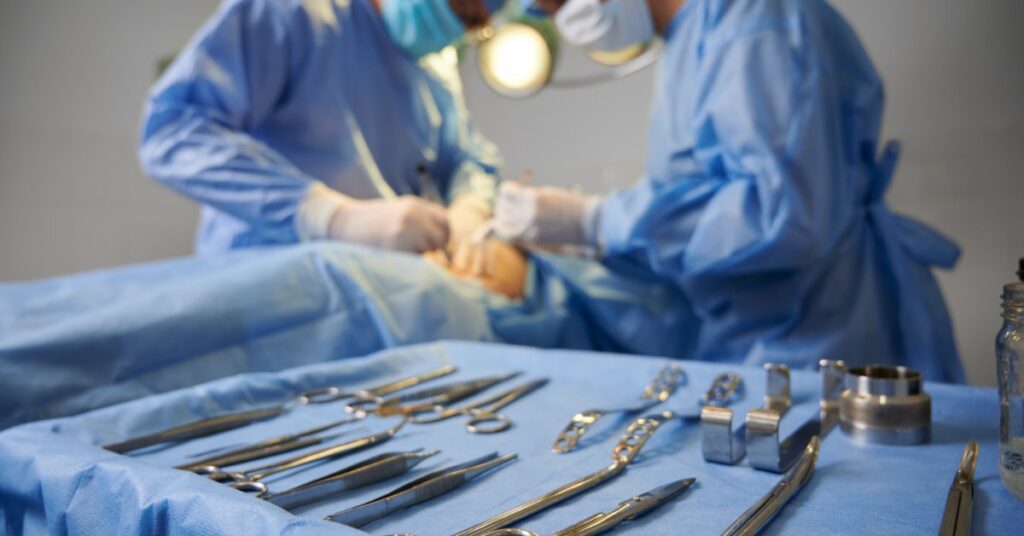
How can a manufacturer show that a reusable device can be cleaned effectively every time? Visual inspection alone cannot answer that question, especially when devices contain lumens, joints, or other hard-to-reach areas. This overview of the AAMI ST98 cleaning validation guidelines breaks down the standard’s main expectations for study design and documentation.
Define the Cleaning Process
AAMI ST98 establishes requirements for developing and validating cleaning processes for medical devices. Manufacturers must clearly define the process they intend to validate so the test lab can validate the instructions for use. Effective cleaning also prepares the device for the reprocessing steps that follow.
A defined cleaning process may address:
- point-of-use treatment
- device preparation and disassembly
- detergent concentration and preparation
- manual brushing or flushing
- automated cleaning cycle parameters
- rinsing and drying instructions
- visual inspection steps
- required cleaning accessories
Each instruction should be detailed enough for the process to be performed consistently. IFU’s that are too general can introduce variation, especially when users must select the right accessories , determine appropriate cleaning times, or interpret unclear phrases. Validation of the process and IFU can reveal where the instructions need greater specificity before they are finalized.
Identify Worst-Case Device Features
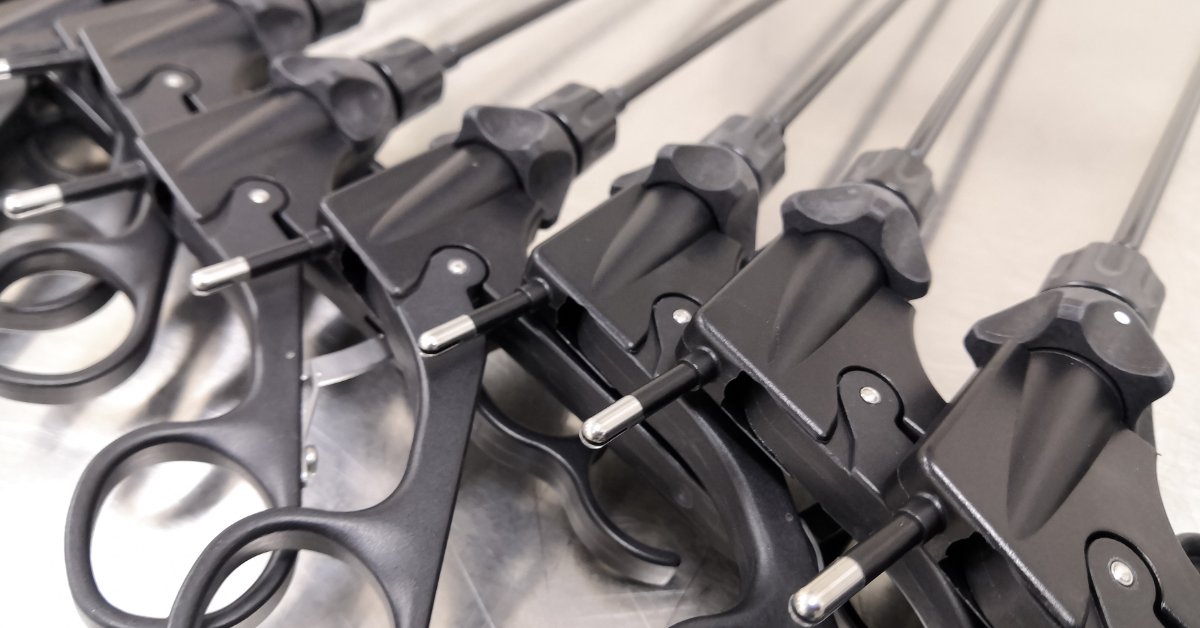
The AAMI ST98 cleaning validation guidelines extend beyond the cleaning steps themselves. Manufacturers also need to determine which parts of a reusable device present the greatest challenge to soil removal. These findings shape sample selection, soil placement, extraction, and result interpretation.
Locate Difficult-to-Clean Areas
Complex features can restrict access to cleaning solutions, brushes, flushing fluids, or visual inspection. Manufacturers should examine the complete device rather than assuming its largest or most visible surface represents the greatest challenge. The selected locations should reflect how soil could collect or migrate during clinical use.
These device features may retain soil even after more accessible surfaces appear clean:
- lumens
- mated surfaces
- recessed areas
- rough finishes
- narrow gaps
Consider Design and Use Together
A device feature does not become challenging solely because of its shape. Its articulation and contact with patient material can affect the amount and location of soil exposure. A device joint that opens during use, for example, may allow soil to move into an area that is difficult to access during cleaning. Reviewing design and use together creates a more meaningful basis for identifying worst-case locations.
Select Representative Test Devices
After identifying the device’s hardest-to-clean characteristics, manufacturers must decide which models will represent those conditions during testing. Related devices may be grouped when one or more selected models provide an appropriate challenge for the full family. You must challenge the worst-case device.
One model may not contain every relevant worst-case characteristic. In that situation, manufacturers may need to test multiple models or evaluate specific representative features. The documented rationale should explain how each selection applies to the devices included in the group.
Simulate Realistic Use Conditions
Simulated-use testing should reflect how the device is handled, soiled, and cleaned in practice. The goal is to create a controlled challenge that represents conditions likely to affect residue removal.
Apply a Relevant Soil Challenge
The test soil should reflect the types of clinical material the device is expected to contact. It should also be applied to locations where soil may collect during use, including internal or difficult-to-reach areas.
The soil challenge may account for:
- soil type and consistency
- application location
- applied soil volume
- device articulation during soiling
Account for Delays and Drying
Soil may become harder to remove when it remains on the device before cleaning begins. When the cleaning instructions allow a delay, the study should include a suitably challenging interval.
Consider Repeated Reprocessing
Materials compatibility testing may be needed when repeated use and reprocessing can affect the ability for the device to be cleaned effectively. Multiple cycles exposed to reprocessing may change surface finishes, joints, seals, or other features that influence soil retention.
Choose Relevant Cleaning Analytes
After cleaning, manufacturers need a way to evaluate what remains on the device. AAMI terminology refers to the measurable components used in this evaluation as analytes. Their selection should align with the test soil, expected clinical residues, device use, and study objectives.
Match Analytes to Residues
An analyte should provide useful information about whether the cleaning process removed the applied challenge. Depending on the study, manufacturers may evaluate protein, hemoglobin, carbohydrates, total organic carbon, or another relevant component. No single analyte automatically represents every type of soil or device. The protocol should explain why each selected analyte is appropriate for the specific study. At HIGHPOWER, we work with protein, hemoglobin, and total organic carbon analytes.
Evaluate More Than Visibility
Visual inspection is useful, but it may not detect low residual levels or contamination within concealed features. Quantitative analyte testing can evaluate material that is not readily visible after cleaning. The selected evaluation should account for surfaces that cannot be directly inspected without specialized tools or disassembly. Visual and quantitative methods may therefore provide different, complementary information.
Validate Analytical Test Methods
AAMI ST98 requires manufacturers to use test methods that can accurately measure the selected analytes at the levels set by the study’s acceptance criteria. The method should work properly with the device materials, detergent, extraction solution, and test soil. A method that works well for one device may not work the same way for another.
The standard also addresses how residue is removed from the device before it is measured. Device cleaning validation testing should define both the test method and the recovery process before the study begins. This makes the results easier to evaluate and compare with the predefined limits.
Document Results and Deviations
A cleaning validation final report should connect the original test protocol with the work that was completed. It should describe the test devices, simulated-use conditions, cleaning procedure, analytical methods, equipment used and results recorded..
Report Deviations Clearly
A deviation occurs when study execution differs from the approved protocol or defined procedure. Each deviation should describe what happened, why it occurred, and whether it affected the validity or interpretation of the study. Corrective actions or additional testing should be recorded when applicable.
Explain Study Conclusions
The conclusion should state whether the tested cleaning process met the predefined acceptance criteria under the conditions evaluated. It should not make claims that extend beyond the tested devices, configurations, parameters, or methods. Known limitations should be identified so readers can distinguish demonstrated findings from assumptions. When results do not meet requirements, the report should document the investigation and any resulting study changes.
AAMI ST98 gives manufacturers a structured standard for developing and validating medical device cleaning processes. Its requirements connect device design and simulated use with analytical testing, acceptance criteria, and documentation. Applying those elements requires study-specific decisions based on the reusable device and its cleaning instructions. A validated process should produce clear evidence that the defined instructions for use are acceptable and effective for end users to reproduce.