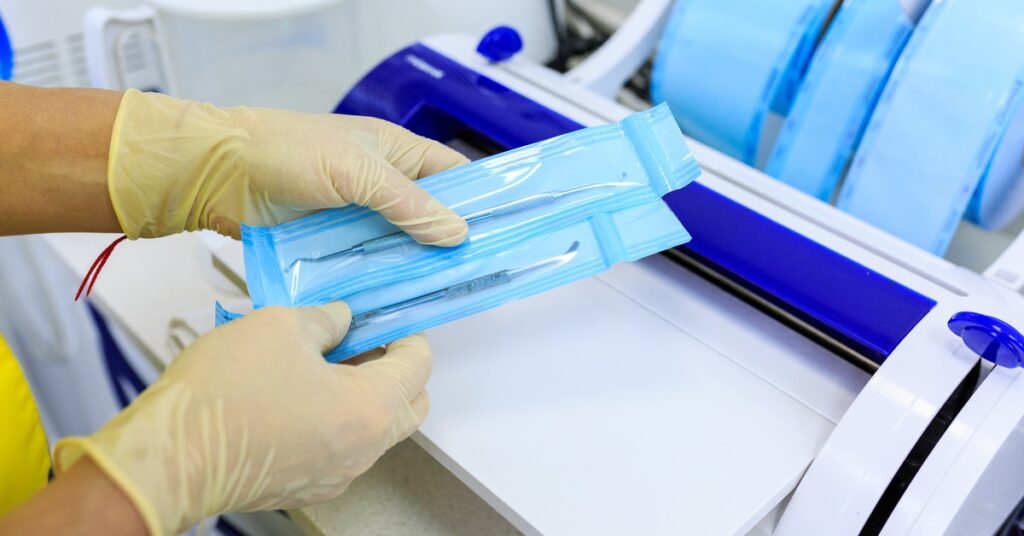
Ensuring the safety and sterility of reusable medical devices begins with the integrity of their packaging. Among the many considerations in medical device packaging validation, detecting micro leaks plays an essential role. These tiny, often invisible leaks can compromise not only the sterility of a medical device but also its shelf life, directly impacting patient safety and the overall efficacy of healthcare solutions.
This blog will explore the nuances of micro leaks in reusable medical device packaging, the challenges they present, and the effective testing methods used as part of package integrity validation.
Why Detecting Micro Leaks Is Important
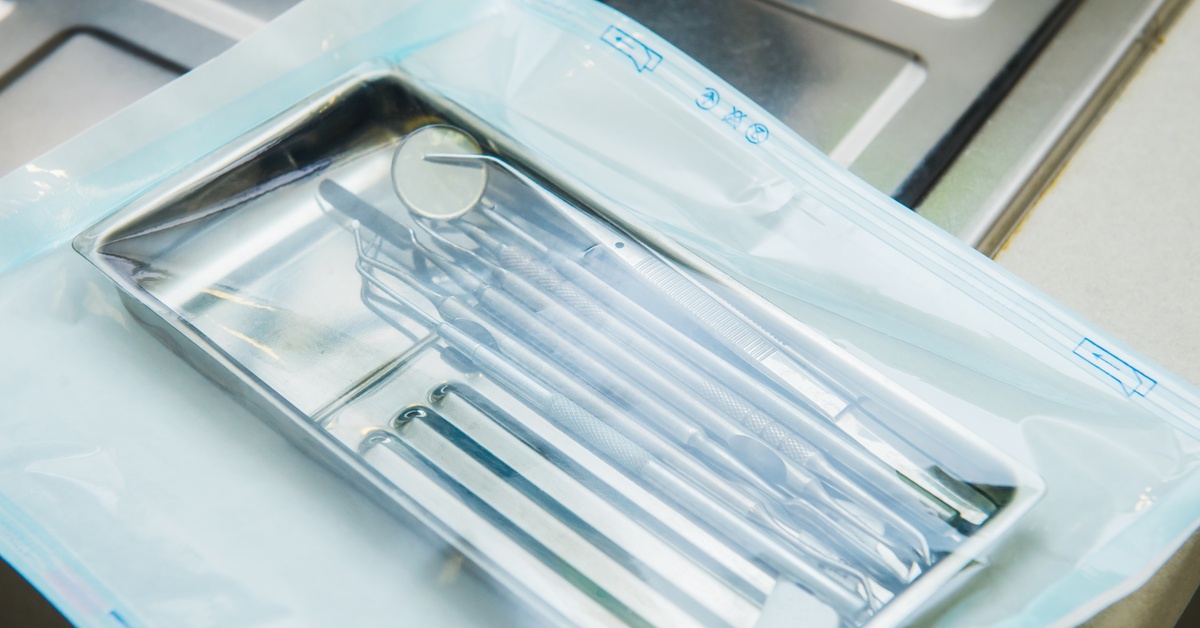
Detecting micro leaks is not just a minor quality control task; it is fundamental in ensuring that reusable medical devices remain sterile and ready for use when needed. Micro leaks may allow contaminants like bacteria, moisture, or dust to enter the packaging, compromising the sterility and effectiveness of the medical device. For terminal sterilization packaging, which is designed to maintain a sterile barrier, even the smallest defect in the seal or packaging material can lead to significant consequences for both patients and professionals.
Aside from sterility concerns, micro leaks can also affect the packaging’s shelf life. Packaging must withstand transportation, storage, and handling while maintaining its integrity, as any minor breach can reduce its effectiveness over time. By identifying and addressing micro leaks early, manufacturers can ensure that their products meet stringent medical standards and remain effective until their point of use. Without this critical step, the risks of device contamination, patient infection, and compromised functionality increase significantly.
Challenges With Detecting Micro Leaks
Detecting micro leaks in medical device packaging presents a set of unique challenges. These leaks are often imperceptible to the naked eye and can occur at various points, such as seal areas or within the packaging material itself. The microscopic size of these leaks means that visual inspections alone are insufficient, requiring specialized testing methods to identify them accurately.
Another common challenge is the complexity of the packaging materials. Medical packaging often consists of multiple layers of material designed to provide durability and barrier properties. Identifying leaks within such multilayered materials requires a nuanced approach and precise testing methods. Additionally, the process of simulating real-world conditions like temperature changes, pressure variations, and transportation stresses adds another layer of complexity to detecting micro leaks.
Timing is another hurdle. Micro leaks may develop over time or under certain conditions, and identifying these leaks during initial validation requires meticulous testing protocols. Manufacturers must also ensure their detection methods are both accurate and reliable to prevent false positives or negatives, which can misguide decisions regarding product safety.
Package Integrity Validation
Package integrity validation is a systematic process used to determine whether medical packaging meets high safety standards and can effectively shield its contents from external contaminants. This process not only identifies micro leaks but also assesses the material’s ability to handle various environmental and mechanical stresses.
During package integrity validation, testing procedures are performed to evaluate the durability, sterility, and overall performance of the packaging. These tests simulate conditions that the package may encounter during transportation, storage, and usage. The goal is to replicate real-world scenarios to identify weak points or vulnerabilities that may lead to micro leaks.
By performing package integrity validation, manufacturers can establish confidence in their packaging’s reliability and compliance with medical regulations. These tests provide manufacturers with actionable insights, enabling them to refine their materials and designs for optimal performance.
Bubble Emission Tests
Bubble emission tests are one of the most frequently used methods for detecting micro leaks in medical packaging. This straightforward yet effective technique uses air pressure to determine whether there are breaches in the packaging material or seals.
The process begins by filling the packaging system with air to inflate it, then submerging it in water. If the package contains micro leaks, air bubbles will escape through the compromised areas, making the leaks visible to the observer. This method is particularly useful for detecting larger leaks and is often performed during the early stages of validation.
Bubble emission tests are valued for their simplicity and speed in identifying defects. They provide a clear visual indicator of where the leaks are located, allowing manufacturers to address specific problem areas in real-time.
Seal Integrity Validation
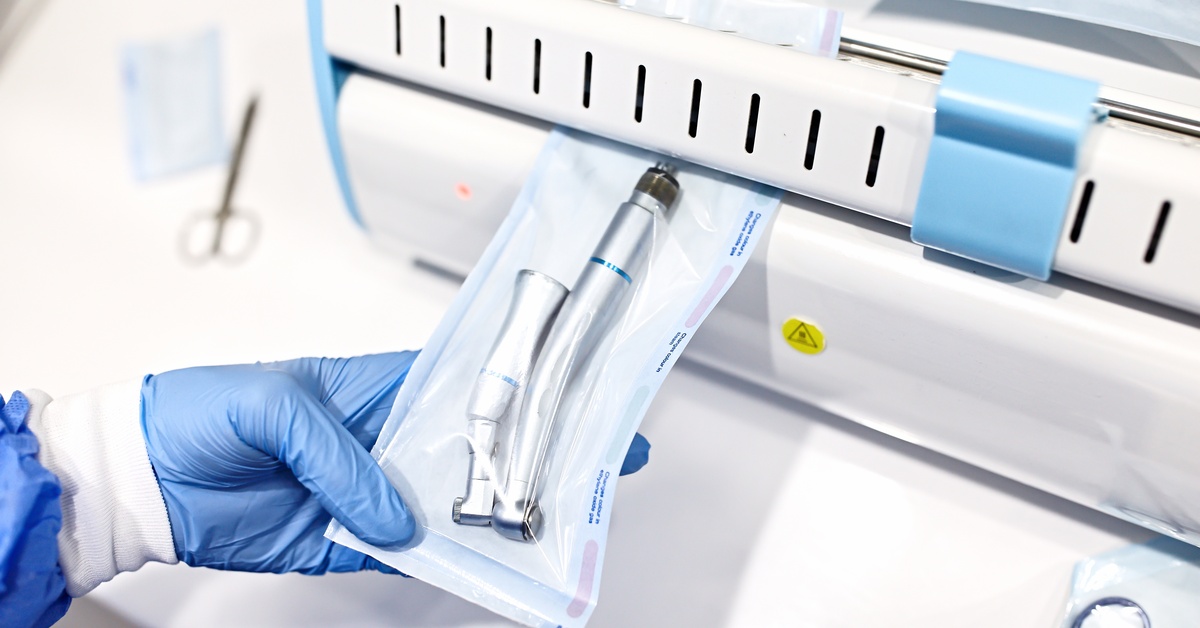
Seal integrity validation focuses specifically on the strength and reliability of the seals used in medical packaging. The seals are critical components that provide a secure barrier against external contaminants, and any failure in this area can compromise the entire packaging system.
To assess seal integrity, manufacturers conduct a series of tests designed to evaluate the durability, strength, and leak resistance of the seals. These tests often simulate real-world conditions, such as changes in temperature, humidity, and pressure, to determine how the seals perform under different scenarios.
The insights gained from seal integrity validation help manufacturers improve their sealing processes and materials, ensuring a consistent and reliable protective barrier across their products. Detecting weak seals early in the validation process is vital for maintaining the high standards required in medical device packaging.
Burst Tests
Burst tests are designed to evaluate the maximum pressure that the weakest seal on a medical device packaging system can withstand before it fails. By subjecting the packaging to increasing levels of internal air pressure, this test identifies weak points and ensures that the packaging materials and seals are robust enough to handle real-world stresses.
During a burst test, air is applied to the interior of the package while monitoring for a point of failure. The results are measured and analyzed to determine whether the packaging meets the required standards for strength and durability. Burst tests are particularly useful for identifying leaks caused by material fatigue or improper sealing.
The information gathered from burst tests helps manufacturers refine their packaging designs, choosing materials and sealing techniques that can sustain high-pressure conditions without compromising the integrity of the package.
Dye Migration Tests
The dye migration test is another widely used method for detecting micro leaks, especially in seal integrity validation. This test involves applying a liquid dye to the interior of the packaging and placing the packaging so that the dye rests on the seal. Professionals then observe whether the dye penetrates through any leaks into the sealed area.
To perform this test, the packaging is exposed to a controlled environment where the liquid dye is applied under specified conditions. If the dye is able to seep through small breaches in the material or seal, the areas of leakage can be easily identified.
The dye migration test is effective in detecting extremely small leaks, often at the microscopic level. It also provides a visual confirmation of compromised areas, making it a reliable tool for determining packaging integrity.
Testing Integrity With Highpower Labs
Ensuring the sterility and reliability of reusable medical device packaging is a critical responsibility that cannot be overlooked. Detecting and mitigating micro leaks through methods like bubble emission tests, dye migration tests, and burst tests safeguards not only the integrity of the packaging but also the health and well-being of patients.
If you’re looking for medical device package integrity testing for your design, trust the experts at Highpower Labs. Learn more about our packaging validation services when you visit us today.