
When you manufacture medical equipment, few things matter more than patient safety. There’s no room for error when a device is going to be used on a human being. This is especially true for reusable instruments that see repeated use across different patients. One major part of this safety equation involves testing soil residue on reusable medical devices to confirm they can be cleaned effectively. If a device holds onto contaminants after cleaning, it presents a risk that no manufacturer wants to take. Let’s look at what leaves residue behind, why this testing matters, and how you can validate your cleaning protocols.
What Causes Soil Residue?
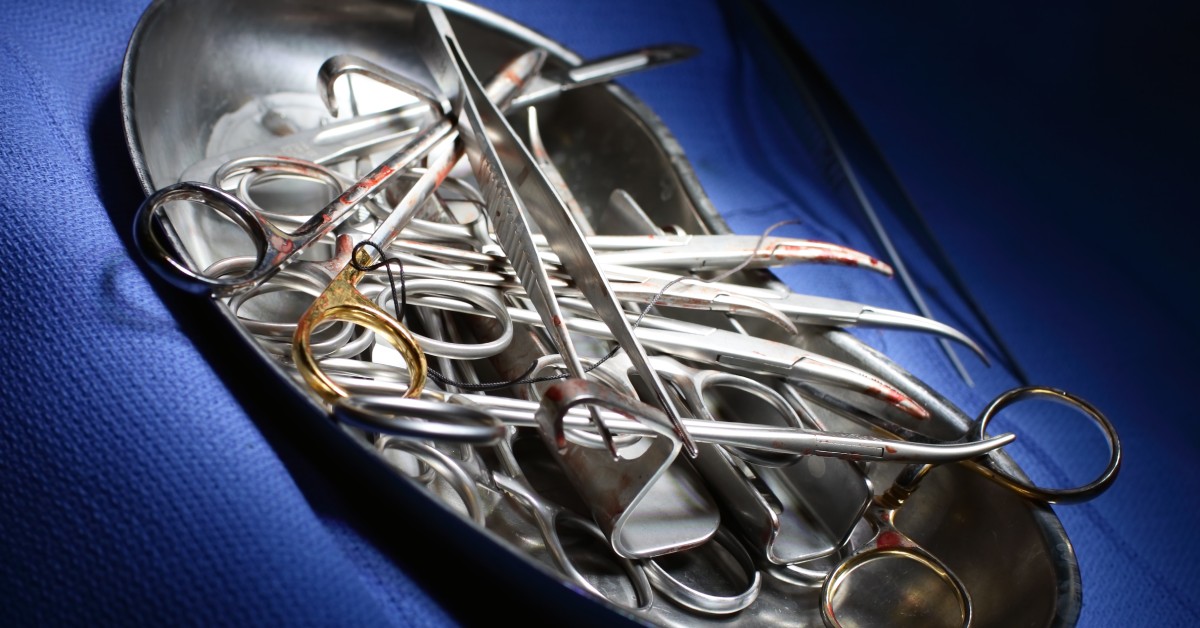
Soil residue is any foreign material left on a device after it’s been used. This can include a wide range of substances, both from the patient and from the procedure itself.
The complexity of modern medical devices, with their small lumens, intricate hinges, and varied materials, creates plenty of places for this soil to hide. If your cleaning instructions have flaws, residue will get left behind. Some common causes that cause soil to accumulate on medical devices—and stay there—include:
- Bioburden: This refers to the organic material from the patient, such as blood, tissue, bone, and other bodily fluids, which accumulates on surfaces or instruments during medical procedures. The type and amount of bioburden depend entirely on the specific medical procedure. For example, an orthopedic instrument will have different soil left on a device than an endoscopic tool.
- Device Complexity: Devices with complex designs, like those with long, narrow lumens, hinges, or rough surfaces, are notoriously difficult to clean. These features can trap soil, making it hard for cleaning agents and mechanical action to reach and remove it.
- Improper Cleaning Procedures: Sometimes, residue is a result of human error or a flawed process. This could mean using the wrong cleaning agent concentration, not adhering to the correct water temperature, or skipping a crucial pre-soak step. Even delays between use and cleaning can allow soil to dry and harden on the device, which makes it much more difficult to remove.
- Cleaning Agent Residue: Ironically, the chemicals used for cleaning can also become a source of residue. If a device isn’t rinsed thoroughly, detergents, enzymes, or disinfectants can be left behind. This chemical residue can be toxic or interfere with subsequent sterilization steps.
Why Test for Soil Residue?
Testing for soil residue is a validation step. It confirms that the cleaning process you’ve developed for a reusable device actually works. When a device isn’t completely clean, sterilization methods like autoclaving might not be fully effective. The remaining soil can shield microorganisms from the sterilizing agent. This creates a risk of transmitting infections between patients. Proper testing provides documented proof that your cleaning instructions are sound and repeatable.
Here are a few specific reasons why this testing is so vital:
- Patient Safety: The main goal is to prevent healthcare-associated infections (HAIs). Incomplete cleaning can leave behind blood, tissue, or other biological materials that harbor pathogens. When these aren’t removed, the device can become a vehicle for cross-contamination and put patients at risk of serious complications, such as surgical site infections (SSIs), sepsis, or the transmission of multi-drug resistant organisms.
- Regulatory Compliance: Regulatory bodies like the FDA require manufacturers of reusable medical devices to provide validated cleaning and sterilization instructions. This involves proving that the recommended cleaning process consistently removes soil to a safe level. Without this validation data, a device can’t get clearance for market.
- Device Functionality: Leftover soil doesn’t just pose an infection risk. Over time, the buildup of biological or cleaning agent residue can interfere with the function of a medical device. It can cause moving parts to stick, dull sharp edges, or clog narrow channels, potentially leading to device failure during a procedure.
How Labs Test for Soil Residue

When you send a device for a cleaning validation, laboratories follow a precise, multi-step process to check for any remaining soil. The goal is to simulate real-world conditions to confirm your cleaning instructions are effective. The process is rigorous because it has to be. It involves intentionally soiling the device, including the appropriate analyte for the device, running your cleaning protocol, and then using sensitive tests to detect whatever portion of the analyte might be left.
Step 1: Choosing the Right Soil
The first step is to select a test soil that represents the kind of contamination the device will face in actual use. This isn’t just random dirt. Labs use standardized test soils, often called “artificial test soil,” that mimic human blood and tissue. For example, a common test soil contains proteins, carbohydrates, and fats to simulate the biological material left after a surgical procedure. The choice of soil is based on the device’s intended use. A dental tool will be tested with a different soil than an orthopedic implant.
Step 2: Soiling the Device
Once the soil is chosen, it’s carefully applied to the device. Technicians focus on the areas that are hardest to clean. These include joints, crevices, long, narrow channels, and textured surfaces. The soil is then often allowed to dry for a specific period to simulate the delay that might happen between use and cleaning in a busy hospital. This “worst-case scenario” approach is important for making sure the cleaning instructions are robust enough for the real world.
Step 3: Performing the Cleaning Protocol
Next, the lab technicians follow your exact cleaning instructions for use (IFU). They’ll use the specified detergents, water temperatures, brush sizes, and cycle times that you’ve laid out. If your instructions call for manual scrubbing followed by an automated wash, that’s exactly what they’ll do. The goal is to see if an average user, following your instructions, can get the device completely clean.
Step 4: Extracting and Analyzing Residue
After the cleaning process is complete, the technicians look for any remaining soil. Since the residue is often invisible to the naked eye, they use extraction methods to collect it. This involves rinsing or swabbing the device with sterile, purified water or another solution.
The collected liquid, called the extract, now contains any residue that was left. This extract is then analyzed using highly sensitive analytical methods to quantify the amount of remaining analyte in the soil. Common tests look for proteins, hemoglobin (from blood), or total organic carbon (TOC), which gives a general measure of cleanliness.
A Commitment to Safety
When you manufacture reusable medical devices like stethoscopes, blood pressure cuffs, and scalpels, it’s incredibly important that they meet all applicable standards for cleanliness. Failure to do so could lead to devastating consequences for patients when they don’t receive the sterile care they expect.
Properly testing soil residue on reusable medical devices confirms that your cleaning procedures work. At HIGHPOWER Labs, we provide medical testing cleaning validation services to confirm that the instructions you provide for your products can effectively prepare them for sterilization. This provides peace of mind that, so long as healthcare professionals follow the listed directions, the products they purchase from you will be safe for every patient, every time.