Hospitals, labs, and device manufacturers all need reliable sterilization methods. Many tools and materials come into direct contact with patients, biological samples, or sensitive products. Reliable sterilization helps prevent contamination that could compromise health outcomes or research results.
Autoclaving uses saturated steam under pressure to destroy microorganisms. Because the process follows controlled time and temperature settings, it gives facilities a repeatable way to sterilize many reusable items. That consistency is one reason autoclaving is a popular sterilization procedure in medical and laboratory applications.
How Autoclaving Works
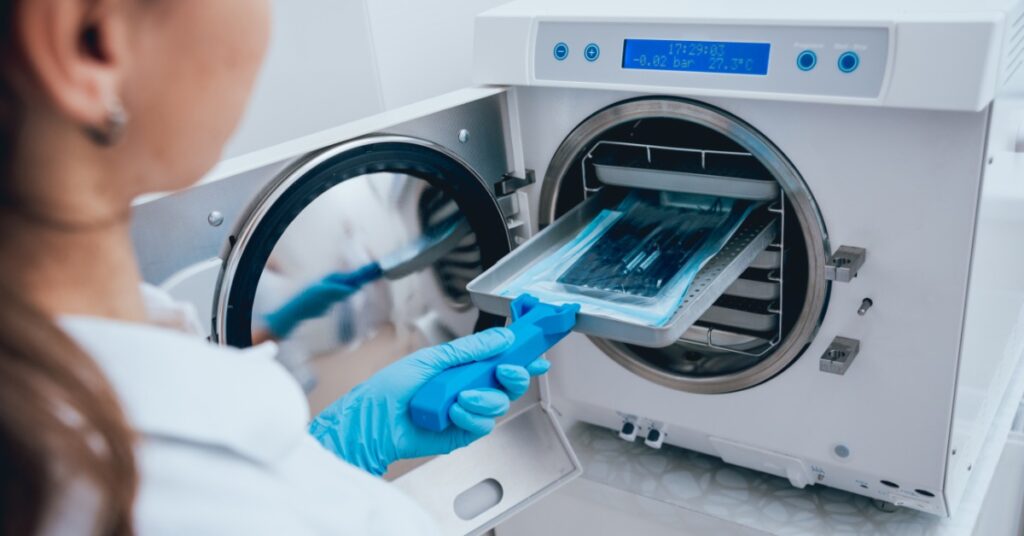
Autoclaving is a moist-heat sterilization method that uses saturated steam under pressure. The autoclave operator places items in a chamber where steam is maintained at a target temperature for a specified time. That combination destroys microorganisms on equipment and other heat-stable materials when the load is prepared correctly.
Steam sterilization works best when each item receives direct steam contact at the required temperature and pressure for the right length of time. Pressure matters because it allows steam to reach temperatures higher than boiling water under normal conditions. As a result, the chamber creates conditions that kill microorganisms far more effectively than simple washing or heating alone.
Steam Is a Powerful Sterilizing Agent
Steam plays a central role in autoclave sterilization because it transfers heat quickly and evenly. When saturated steam fills the chamber, it spreads across surfaces and begins to raise their temperature. This rapid heat transfer allows microorganisms to be destroyed more efficiently and at a lower cost than with many other sterilization methods.
Moist heat works especially well because water molecules carry thermal energy into small spaces and surfaces. When steam condenses on cooler items inside the chamber, it releases heat that damages microbial cells. That ability to penetrate and transfer heat effectively makes steam a powerful sterilizing agent.
Kills Many Types of Microbes
Autoclaving is a common sterilization procedure that destroys a broad range of microorganisms. Properly run cycles eliminate bacteria, viruses, fungi, and other harmful microbes that may remain on equipment. This level of microbial reduction makes the process suitable for healthcare, research, and manufacturing environments.
Bacteria
Bacteria are unicellular microorganisms that can multiply quickly on contaminated tools, surfaces, and equipment. Autoclaving destroys bacteria by exposing them to moist heat that disrupts essential cell structures and proteins. Standard steam sterilization conditions are typically sufficient when the load is prepared correctly.
Viruses
Viruses differ from bacteria because they are not complete living cells and instead depend on host cells to reproduce. Autoclaving inactivates viruses by exposing them to high-temperature steam, which breaks down their outer structures and genetic material.
Fungi
Fungi include microorganisms such as molds and yeasts, which can grow in damp or nutrient-rich environments. These organisms spread through cells or spores, depending on the type, so they require more than basic surface cleaning when contamination occurs. Autoclaving eliminates fungi with pressurized steam and sustained heat, damaging their cellular components and preventing them from surviving or reproducing.
Bacterial Spores
Bacterial spores are dormant, highly resistant forms that some bacteria produce to survive heat, dryness, and other harsh conditions. That protective structure makes spores much harder to eliminate than actively growing bacteria. Autoclaving forces high-temperature steam through the bacterial spores’ protective outer layers. This destroys the core, and the bacterial spores cannot germinate or survive.
Consistent and Repeatable Sterilization
Facilities value sterilization methods that perform consistently under controlled conditions. In autoclaving, those conditions include the right combination of steam quality, chamber pressure, temperature, exposure time, and proper air removal. Load size, item arrangement, and packaging also matter because they affect how well steam reaches every surface.
Autoclaving provides predictable microbial elimination when operators follow the correct cycle parameters for the specific load. They must use the appropriate temperature, maintain that heat for the required amount of time, and confirm that pressurized steam fully penetrates the items in the chamber.
Works for Many Heat-Stable Materials
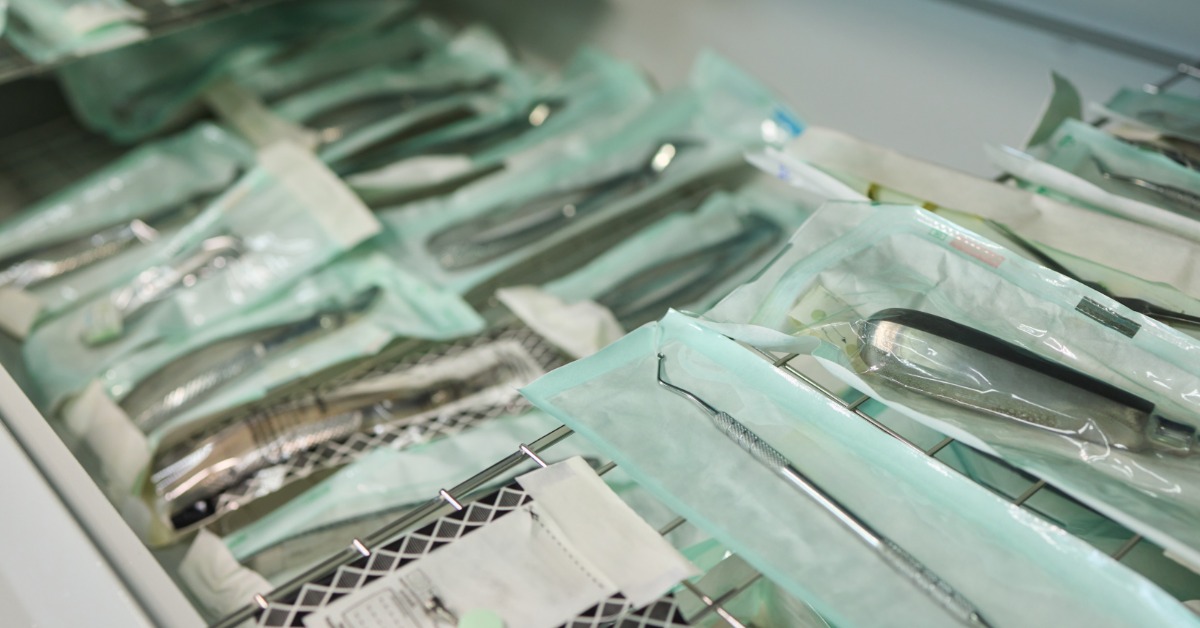
Autoclaving works with a wide range of heat-stable materials. Many instruments and laboratory items can tolerate the high temperatures and moisture used in the process. That compatibility allows facilities to sterilize numerous items using the same equipment.
Common materials processed in autoclaves include the following:
- Stainless steel surgical instruments.
- Glass laboratory containers.
- Certain laboratory media and solutions.
- Reusable medical devices.
- Some heat-resistant plastics.
Because these items are frequently used in healthcare and laboratory settings, autoclaves meet many daily sterilization needs. Between 80-90% of all sterilization loads processed in the hospital setting are by autoclaving. This versatility helps explain why the method remains a standard practice.
Supports Infection Control Practices
Infection control practices are procedures used to reduce the spread of harmful microorganisms in healthcare, laboratory, and manufacturing environments. These practices keep equipment and surfaces free of contamination that could affect people or sensitive products. Common measures include proper cleaning, disinfection, sterilization, safe equipment handling, and protective measures for staff.
Facilities usually clean and prepare items before placing them in the autoclave so steam can reach every surface during the cycle. After sterilization, staff store and handle the equipment carefully to keep it sterile until it is needed.
Efficient for Routine Sterilization Loads
Many facilities sterilize large numbers of instruments and materials every day, and autoclaving fits routine workflows. A method that processes multiple items at once helps maintain productivity.
Several operational benefits make autoclaves well-suited for routine sterilization tasks:
- Ability to sterilize multiple items in one cycle.
- Standardized cycle settings for common loads.
- Reliable performance when procedures are followed.
- Compatibility with many reusable instruments.
- Integration into existing sterilization workflows.
- A vast array of consumables available for the process.
Established Standards and Validation
Autoclaving also remains common because clear guidelines exist for performing the process. Industry standards define appropriate cycle parameters and monitoring practices for consistent sterilization procedures.
Manufacturers rely on medical device sterilization validation to confirm that their autoclave processes work as intended. Sterilization validation involves testing and documenting that a specific cycle consistently achieves the required level of microbial reduction without damaging the device or its packaging. During this process, specialists evaluate factors such as microbial challenge organisms, load configuration, and cycle parameters to verify that the autoclave can reliably sterilize the product.
Facilities also conduct validation and routine monitoring to confirm that their sterilization processes perform correctly. Data from mechanical indicators, chemical indicators, and biological tests verify sterilization success.
Reliable sterilization supports safe medical care, accurate laboratory research, and high-quality product manufacturing. Autoclaving meets this need by providing a repeatable process that eliminates a broad range of microorganisms. Its ability to handle many heat-stable materials also makes it practical for daily use in busy environments. As long as facilities follow proper procedures and monitoring practices, autoclaving will remain a trusted sterilization method.