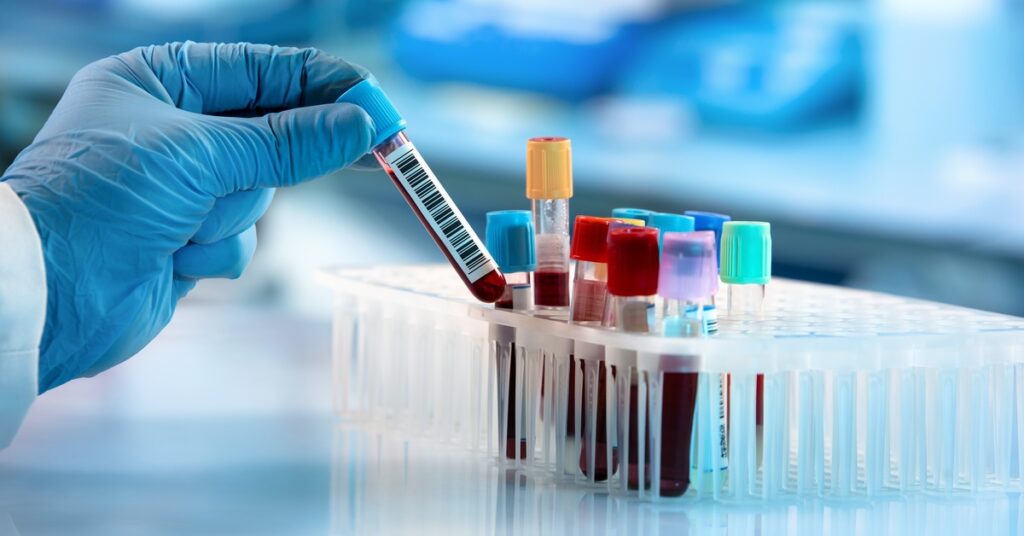
Before a reusable medical device can prove its cleaning instructions work, it needs to face a realistic challenge. Simulated use soils create that challenge by mimicking the residue a device may encounter during a procedure. Because every device has different surfaces, shapes, and clinical uses, selecting simulated use soils for testing takes more thought than simply picking a standard mixture. Choosing the right soil provides a more accurate assessment of how well the cleaning process works and provides smoother pathway for regulatory compliance.
Match Soil To Use
The soil should match the device’s expected exposure as closely as is practical. A laryngoscope blade, surgical tray, arthroscopic instrument, and flexible scope may all face different residue patterns. The soil should also help answer the main question behind the study, such as whether the cleaning process removes residue from the device’s most difficult-to-clean areas.
Procedure Type
The type of procedure affects what kind of residue the device may contact during use. For example, an instrument used in a procedure with blood or tissue exposure may need a different simulated soil than a device with lighter surface contact. The soil should reflect the clinical setting as closely as the study can justify.
Expected Residue
Expected residue plays a major role in soil selection because different soils represent different types of contamination. A device may come into contact with blood, mucus, proteins, fats, carbohydrates, or tissue debris, depending on its use. When several types of residues are expected, the validation plan should explain how the selected soil represents that challenge. Depending on the device and procedure, this may mean using a single representative soil sample or performing separate tests for different residue concerns.
Device Materials
Device materials and surface textures may affect how residue attaches, dries, or releases during cleaning. Smooth stainless steel may behave differently from textured handles, coated parts, or flexible components. Because of that, the simulated soil should pose a realistic challenge to the device’s surfaces. Material details may also influence how the soil is applied and recovered during testing.
Hard-To-Clean Features
Hinges, lumens, joints, grooves, knurled and other complex features may trap residue in hard-to-reach areas. Soil selection should account for these areas, as they may pose the toughest cleaning challenge. The soil also needs to reach those locations during application, or the test may miss important risk points. This helps the study evaluate the cleaning process at the point where residue is most likely to remain.
Cleaning Instructions
The cleaning steps in the device’s instructions for use help shape the soil challenge. Manual brushing, flushing, soaking, rinsing, and automated cleaning may interact with soil in different ways. The selected soil should give the cleaning process a realistic residue load to remove. This makes the study more useful when evaluating whether the instructions perform as intended.
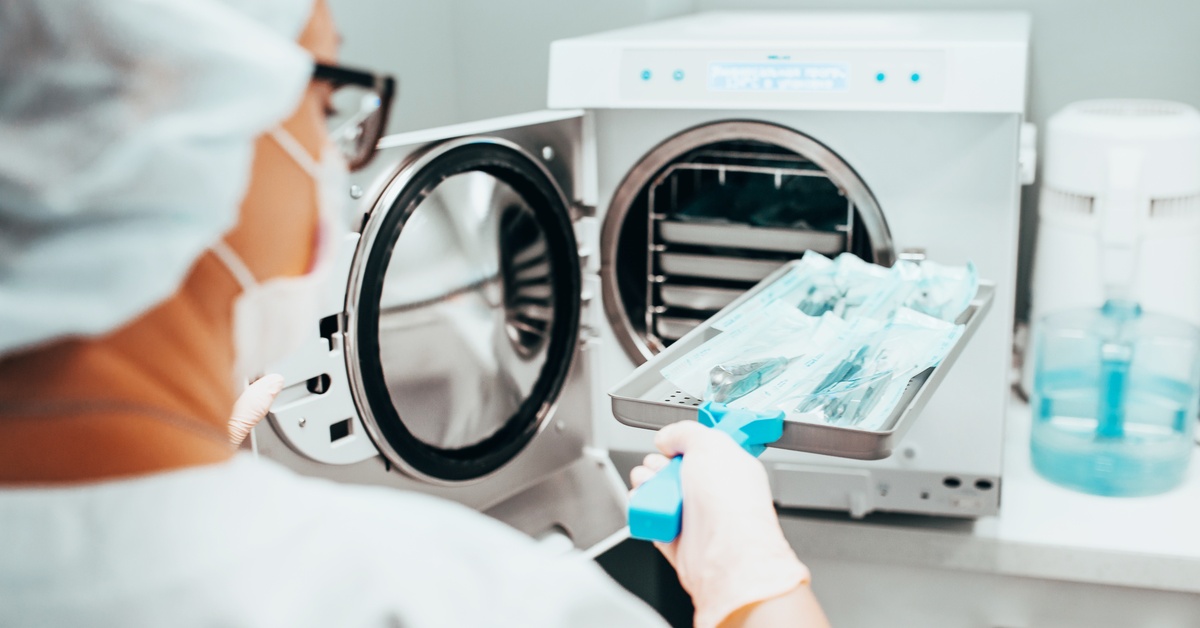
Focus on Cleaning Challenges
Instead of treating every surface the same, teams look closely at areas where soil may collect or become difficult to remove. This may include narrow channels, overlapping parts, textured surfaces, movable joints, or areas that require extra brushing or flushing.
The protocol should also account for use conditions that may make cleaning harder. For instance, longer hold times before reprocessing may allow residue to dry onto surfaces, while complex assemblies may limit how well cleaning fluid reaches certain areas. By identifying these challenges early, the study can apply soil in the right locations and create a stronger test of the cleaning instructions.
Consider Soil Behavior
A simulated soil does more than sit on a surface. It may dry, smear, pool, clot, bind to material, or collect inside small spaces. Therefore, testing labs should consider how the soil behaves during application and during dwell time. A soil that runs off the device too easily may result in a poor evaluation.
To create a realistic and well-documented cleaning challenge, teams should:
- Apply the soil to the device areas most likely to retain residue.
- Use an application method that reaches critical device features.
- Set a drying time that reflects the study’s intended use scenario.
- Account for environmental conditions that may affect how the soil dries or adheres.
- Document the soiling method clearly so the final report explains why the challenge was appropriate.
Define Dwell Time
Dwell time is the period between soiling and cleaning. Residue may become harder to remove as it dries, especially in tight or shielded locations. Because clinical workflows may involve delays before reprocessing begins, the selected dwell time should reflect a justified challenge. The protocol should clearly define the timing so the study remains repeatable.

Measure Relevant Analytes
After the device is soiled and cleaned, the lab measures specific analytes that were added to the soil, to assess the amount of residue remaining. Analytes may include protein, hemoglobin, and total organic carbon, depending on the soil used and the type of contamination the device may encounter. For example, if the simulated soil represents blood-based residue, the lab may measure hemoglobin to evaluate how much residue remains after cleaning.
HIGHPOWER’s medical device decontamination services verifies whether the manufacturer’s cleaning process removed the soil under controlled, worst-case test conditions. During the study, we apply a controlled soil challenge, follow the cleaning steps in the device’s instructions for use, and measure remaining analytes after cleaning. Manufacturers use the resulting data and documentation to evaluate whether their cleaning process performs as intended.
Document the Rationale
A cleaning validation report needs to explain the reasoning behind the results. This becomes especially important when a product line or device family includes several device sizes or variations. In those cases, manufacturers may need to explain why one device configuration represents the worst case challenge for all the devices in the device family the others. Soil choice then becomes part of the broader validation strategy.
The report should include details such as:
- intended clinical use of the device
- justification for the selected soil
- specific soiling locations and methods
- dwell time and cleaning conditions
- analytes added and measured after cleaning
- amount of soil on the device before and after cleaning
- method of cleaning, manual or automated
- detergents used or recommended by the device manufacturer
Selecting simulated use soils for testing is one of the early choices that shape the strength of a cleaning validation study. The right soil creates a realistic challenge based on the device’s use, surfaces, and hardest-to-clean areas. Contact HIGHPOWER to discuss cleaning validation testing for your reusable medical device. As an experienced validation and testing lab, we work with our clients to design studies that yield clearer data, stronger submissions, and better reusable device reprocessing instructions.