
Sterilization issues don’t always come from the sterilizer itself. Sometimes the real challenge lies within the device: a hidden surface, a narrow channel, a dense material, or a package that slows steam flow. Steam sterilization cycle development provides manufacturers with a structured way to identify risks before they become late-stage delays. It works by using the device’s features to select cycle parameters that can be tested, repeated, and documented.
Why Cycle Development Starts Early
Steam sterilization cycle development is the process of creating the right sterilization cycle for a specific reusable medical device. This process begins before final labeling as manufacturers need evidence that the proposed process supports safe reuse. Teams look at the device’s intended use, materials, geometry, packaging, and worst-case features.
With cycle development, teams avoid vague or unrealistic reprocessing instructions. A cycle that looks acceptable on paper may fail when steam struggles to reach a hinge, channel, or shielded surface. Therefore, development connects device design decisions with the practical limits of hospital reprocessing.
What Steam Must Accomplish
Steam sterilization relies on direct contact between saturated steam and device surfaces for a set time at the required temperature and pressure. Air removal also plays a significant role, as trapped air can impede steam contact. As a result, cycle development looks closely at how the load behaves inside the sterilizer.
The goal is to create a process that a healthcare facility can follow with standard equipment and clearly written instructions. Treating the device should not require sterile processing teams to rely on guesswork.
Device Features Shape Cycles
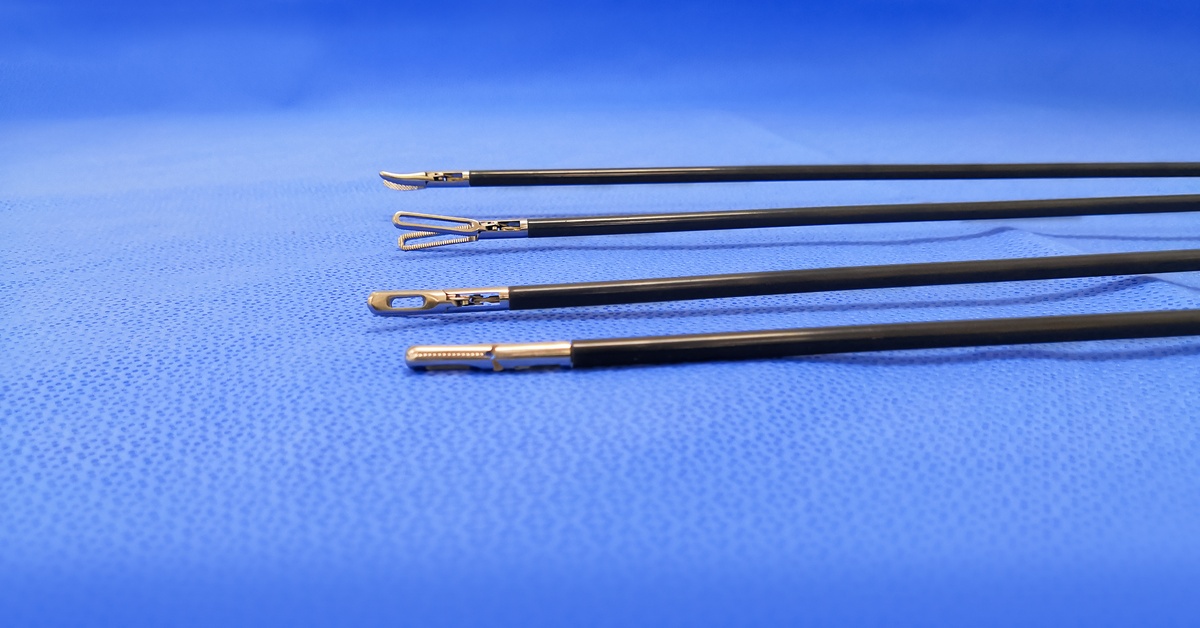
The device itself drives much of the cycle-development work. Steam sterilization cycle development examines challenging features and tests whether steam can reach areas that are the hardest parts of the device to sterilize. Small design details may change the cycle challenge.
These device characteristics can affect how teams approach cycle development:
- Long lumens may create air-removal challenges.
- Hinges may shield contact surfaces.
- Mated parts may slow steam penetration.
- Dense materials may affect heating time.
- Packaging may influence drying performance.
Lumens and Hidden Areas
Lumens require special attention because steam must move through a narrow internal pathway. Additionally, bends, valves, or attached components may restrict steam penetration. Development work should identify the hardest-to-sterilize pathway rather than focusing solely on exposed surfaces.
Cycle Settings Need Data
Cycle parameters usually include exposure temperature, exposure time, pressure conditions, drying time, and load configuration details. Teams need data that supports the chosen process for the device and its packaging. Steam sterilization cycle development works by testing those choices through exploratory cycles, temperature mapping, placement of biological indicators, and a review of drying performance.
Exploratory Cycles
Exploratory cycles are early test runs (feasibility tests) that can show whether steam reaches challenging areas, how the load heats, and where the process may need adjustment. Manufacturers use this information to shape the final cycle before formal validation testing begins. As a result, teams can make better decisions about time, temperature, packaging, and load setup.
Temperature Mapping
Temperature mapping shows how heat moves through the sterilizer load during the cycle. Sensors are placed in selected areas to track whether different parts of the device and package reach the expected conditions. This step is especially useful when the load includes dense materials, trays, or hard-to-heat areas. The results help teams determine whether the cycle provides consistent steam exposure throughout the device.
Biological Indicator Placement
Biological indicators challenge the sterilization process in the hardest-to-sterilize locations. Teams place them in areas where steam access may be limited, such as lumens, joints, or shielded surfaces. After the cycle runs, the biological indicators are cultured to see whether the test organisms survived. The results help teams evaluate whether the cycle reached and sterilized the most challenging areas of the device.
Drying Performance Review
A drying performance review assesses whether the device and packaging exit the cycle without moisture issues. Moisture may appear in trays, rigid containers, wraps, pouches, or hidden areas of the device. Reviewing drying performance helps teams decide whether drying time, load setup, or packaging instructions need adjustment.
Packaging Can Create Challenges
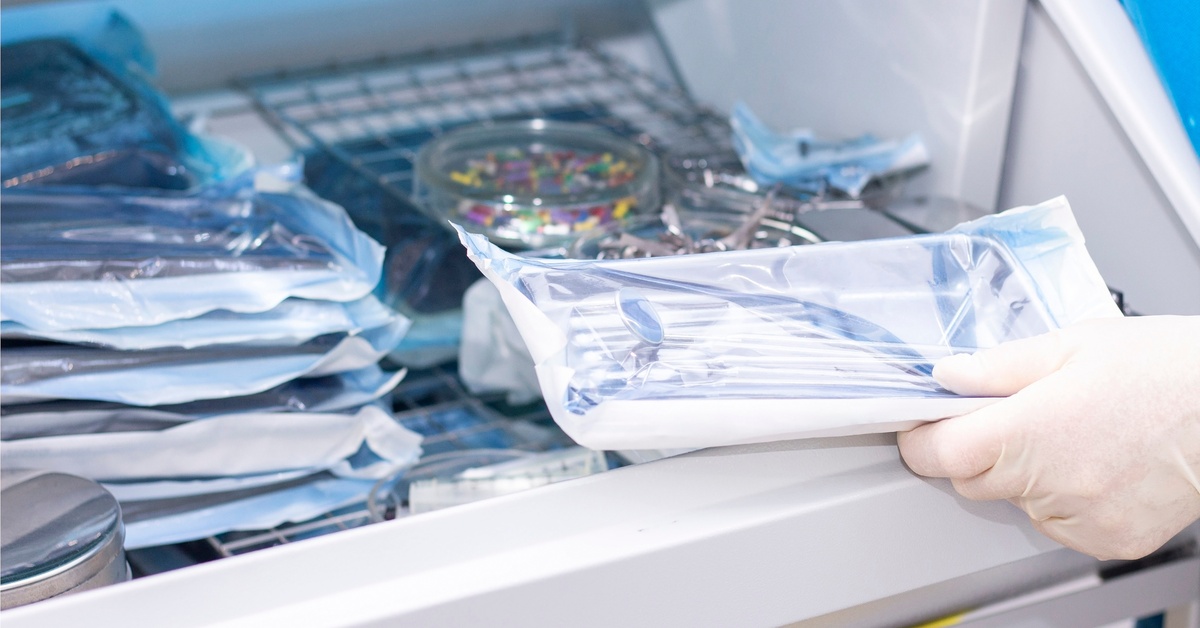
Packaging protects the device after sterilization, yet it also affects the cycle. Steam must penetrate the package, contact the device surfaces, and leave enough time for drying. If the packaging retains moisture or impedes steam flow, the cycle may need adjustment.
Device trays, wraps, pouches, andrigid container systems can all change how the load behaves. Additionally, accessories and tray/container layout may create crowded areas that slow air removal or drying. Clear packaging instructions help the user recreate the validated configuration.
Common Development Pitfalls
Some cycle-development problems appear when teams wait too long to connect design choices with reprocessing needs. A device may pass performance goals but create sterilization challenges because of narrow spaces, heavy trays, or complex assemblies. Additionally, drying problems may surface late if packaging decisions come after cycle testing.
Teams can reduce rework by watching for these common cycle-development issues:
- testing a load that differs from final labeling
- ignoring the hardest-to-access surfaces
- choosing packaging after cycle work
- leaving drying time underdeveloped
- writing instructions for use too broadly
Changes May Require Review
Device changes may affect sterilization performance even when the product looks nearly the same. A new material, added coating, tighter joint, longer lumen, or updated tray can shift the challenge. As a result, teams should review design and packaging changes through the lens of the validated cycle.
The same thinking applies when labeling changes or sterilizer assumptions change. A small wording update may expand the process beyond the tested conditions. Careful review helps manufacturers decide whether existing data still supports the instructions or whether additional testing makes sense.
Steam sterilization cycle development turns a broad sterilization goal into a process that users can follow. It links device design, packaging, cycle parameters, testing, and labeling into one documented path. Additionally, it helps manufacturers spot hidden reprocessing challenges before they become late-stage problems. With the right development work, the final cycle becomes easier to validate, document, and translate into clear instructions for use.
Validation Connects the Dots
During validation, manufacturers gather data to support the sterilization instructions they plan to include in the IFU. The goal is to show how the process performs with the actual device, packaging, and stated cycle conditions. This helps turn the developed cycle into a documented process that manufacturers can support with evidence.
HIGHPOWER provides sterilization validation for medical devices to support manufacturers as they test whether their proposed sterilization instructions work. This testing provides documented results that manufacturers can use as part of their broader submission and product files.